
Post-pandemic Planning: A Framework for Modelling the Recovery

February 18, 2021

As the vaccination programme builds momentum, experts from L.E.K. Consulting’s Healthcare and Consumer practices have come together to create a framework for modelling recovery scenarios to help businesses plan for the upturn. This article focuses on the implications for the travel and leisure sector, one of the hardest-hit parts of the economy, but the lessons apply more widely across the consumer landscape.

The COVID-19 crisis caused previously unimaginable levels of medical and humanitarian catastrophe, ripping through the global economic fabric and devastating business communities around the world. For much of 2020, some sectors like travel and leisure were effectively entirely shut down as we closed venues and borders, and ordered quarantine and ‘self-isolation’, prompting furlough and redundancy rates amongst the highest ever seen in the modern era. However, 12 months on and the world’s scientific community have delivered amongst the most remarkable medical achievements: a vaccine approved by regulators in fewer than 300 days since clinical trials commenced. As the most ambitious vaccine roll-out in history ever undertaken starts to gain traction, we ask: how should travel and leisure businesses think about, and plan for, a successful bounce back?

We developed a post-pandemic planning framework (PPPF) to assist companies in modelling how the impact of the vaccine roll-out and subsequent opening up of the economy may influence the content and timing of their recovery plans. The PPPF includes five steps, each of which has an impact on the next.

1. The vaccination programmes

Assuming high efficacy rates in preventing symptoms and transmission, the critical first question in the PPPF is to consider how rapidly the global vaccination programme can be delivered. While the UK is currently amongst the top five countries globally in terms of administered vaccine doses per 100 people, in-country vaccination programme roll-out appears uneven at present, which will impact the sequencing of travel corridor reopening. Manufacturing capacity bottlenecks are constraining the pace of roll-out, but these problems will ease, and the global programme of vaccine development is gaining momentum. We consider these themes in turn.

How rapidly will we be able to scale in-country vaccination programmes?

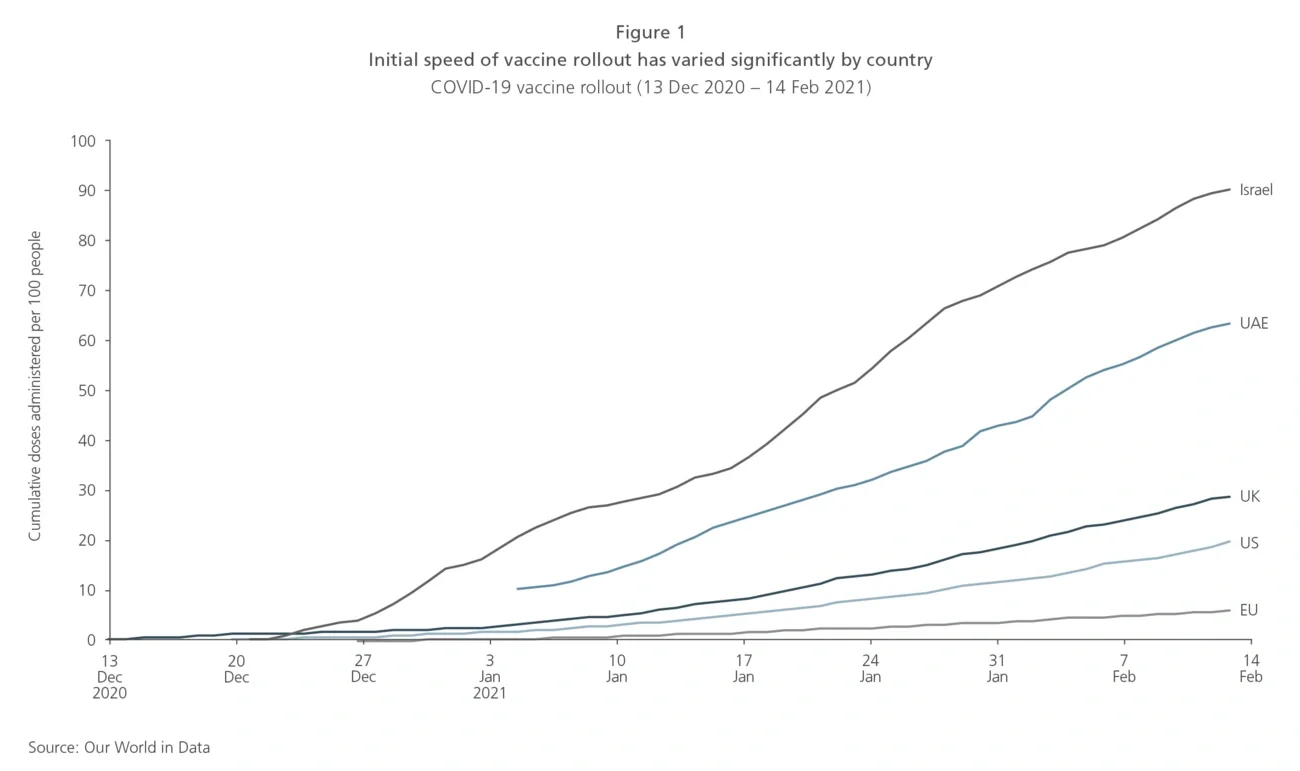
Worldwide vaccination programmes are now underway, with some countries like Israel, the UAE and the UK performing particularly well, whilst others are just getting started. For domestic travel and leisure businesses, this is already good news, but for international travel to rebound, the progress of vaccination programmes in the destination market and other key origination markets for those destinations are also critically important. There are notable flows of sun-seeking passengers into Spain, Turkey and Greece from the UK, Germany, Benelux and Nordics ― vaccination programmes across these markets will set the pace of the recovery.

In the US, the new administration under President Biden has committed to an accelerated vaccine roll-out strategy to provide 100 million vaccine shots in 100 days. Notably, European countries appear slow and have not yet shown much evidence of an accelerated vaccine roll-out plan. Current estimates suggest Europe could be six to nine months behind the progress already made in the UK, with vaccination of most target priority groups not complete until the end of 2021 or even 2022.

For approved vaccines, how quickly will manufacturing capacity ramp up?

Part of the challenge lies upstream in vaccine manufacturing, which is a highly complex process to manage and to scale. Many of the vaccine candidates in the development pipeline have been ‘manufactured at risk’ (i.e. they have been manufactured before achieving regulatory approval). This has led to some ability to stockpile vaccine whilst the regulatory approval process is underway. Manufacturing capacity is usually increased through two approaches: scaling up (increasing the size of vaccine batches) and scaling out (creating multiple production streams). Both of these approaches are in progress to achieve the volumes of COVID-19 vaccine required globally.

Notwithstanding the considerable efforts to increase capacity, there have been recent reports of interrupted supply, which cannot be ruled out going forward. For at least 9-12 months, continued shortages of vaccines will be likely across most countries.

How many more vaccines are likely to be approved over the next 12 months?

However, there is a reassuring level of momentum in the global programme of vaccine development (see Figure 1). Since Comirnaty, the Pfizer/BioNTech COVID-19 vaccine, became the first approved by a UK regulatory agency (the MHRA) anywhere in the world, eight others have also received authorisation (e.g. Oxford/AstraZeneca, Moderna) in at least one country; more than 300 remain in development.

Vaccine development timelines have been radically shortened without impacting safety standards. Regulatory agencies around the world have further reduced timelines through several initiatives, for instance, reviewing data more frequently through the trial process (‘rolling reviews’). Whilst every trial carries some possibility of delay or failure (e.g. GSK/Sanofi’s vaccine candidate did not show sufficient immune response in the elderly), the sheer number of candidates in development suggests a large number may be approved over the coming months.
Image
vaccine rollout
Image
vaccine rollout

2. Impact on morbidity and mortality

The vaccine programme ― together, of course, with other public health measures such as the continued emphasis on infection control policies, e.g. lockdown, masks and handwashing ― is a key strategy to bring the pandemic under control. The next step of the PPPF is to ask:

How quickly will the vaccine programme impact morbidity and mortality?

We need to assess how well the vaccine programmes will translate into reducing the flow through from the rate of infections in the community, hospitalisations, intensive care capacity utilisation and ultimately death rates.

Image
death risk
Image
death risk

As the vaccination programme and continued disease control measures afford protection to the most vulnerable population groups, we will see a dramatic reduction in the pressure on the NHS and a dramatic decline in the statistics on the daily death rate. When this happens, the politicians will be keen to act and will move to release the lockdown constraints and travel restrictions.

Politicians and their scientific advisors will need to be convinced that once these rates are reduced, they are likely to stay low for a prolonged period. This is important in order to avoid the yo-yo effect of 2020 as waves of infection triggered various national lockdowns at different times throughout the year, causing chaos to some business segments such as the travel industry.

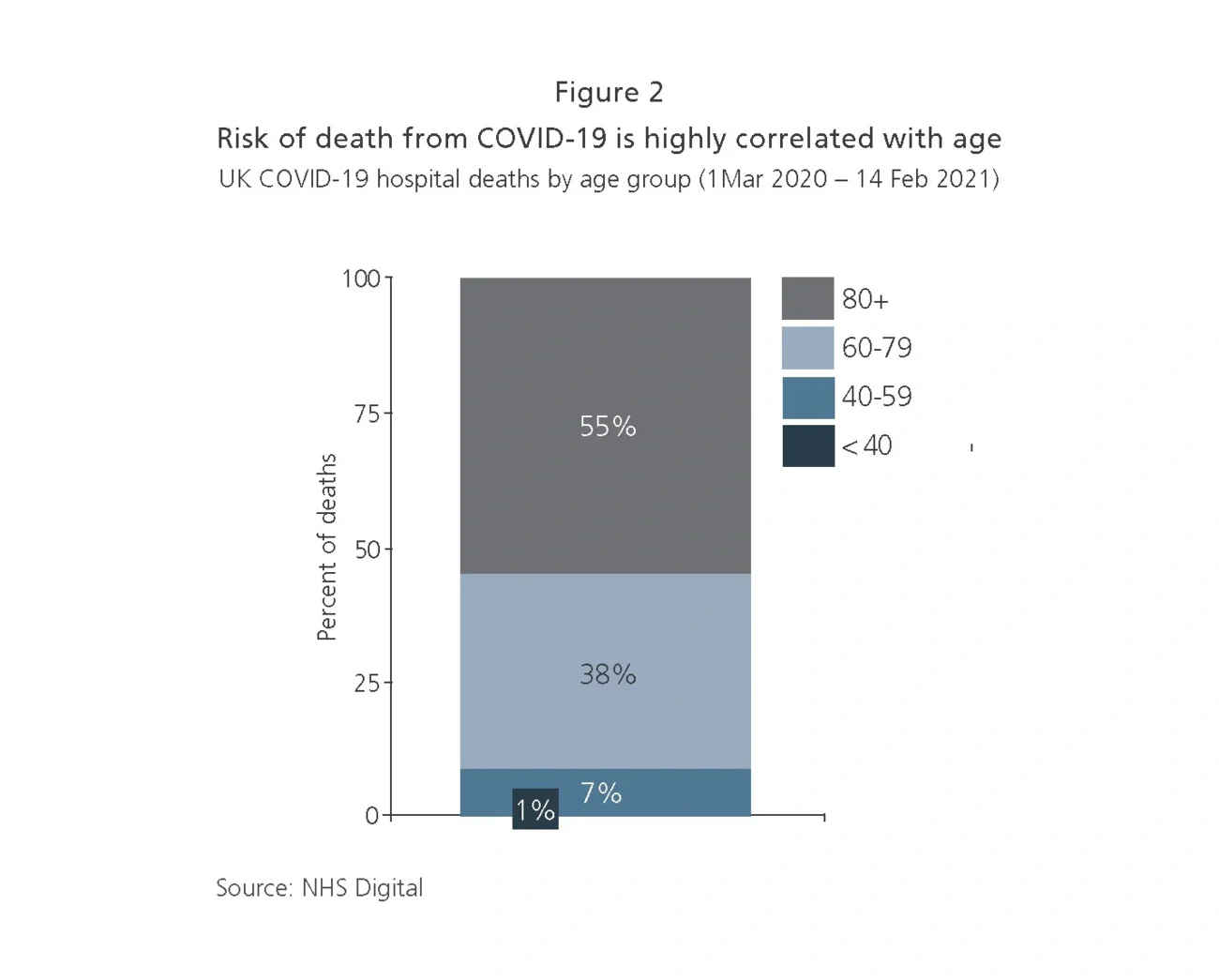
In the UK, the government set a target of immunising 13 million people by the middle of February 2021. According to a recent actuarial assessment, if these numbers are achieved, then the impact on intensive care admissions and deaths is likely to be felt quite quickly ― by about the middle of March. This is primarily because of the prioritisation of elderly age groups (70+), who account for most deaths (see Figure 2).

3. Easing of lockdown restrictions and the opening up of the economy

If experience in 2020 is a guide to likely decision-making in 2021, politicians and other decision makers may want to ensure that both infection and death rates remain low for a period of weeks (but probably not months) before there is any retraction of national lockdown policies. This is to avoid reigniting infections and increasing the ‘R’ number above 1 (where infections start spreading exponentially again). Importantly, governments will need to have confidence that the curve has been flattened to a level that indicates healthcare systems have avoided the risk of being overwhelmed and that future well-constructed infection control policies and procedures are in place. These include quarantine facilities, acceptable supplies of personal protective equipment, and contact test and trace systems that are operational and effective.

How cautious will governments be in reopening the economy?

Despite the pressing need to stamp down the rate of infection and death rates from COVID-19, most national governments remain under severe pressure to reopen economies given threats of redundancy, recession and government borrowing levels not seen since World War II. Some countries, especially those with the most severe lockdowns in 2020 (e.g. China, South Korea), have mostly reopened many segments of their economies already, but will always face the prospect of re-emerging infection, at least until they can get their populations vaccinated.

Other countries, including the UK and many European nations, are likely to be slower at removing restrictions. They may consider reopening their economies in a staged approach, deciding on some areas to open first, for example, the education sector or industries of national importance like car manufacture. This transition will need to be planned carefully and articulated and communicated thoroughly to the public, but it will happen, and hopefully this will begin in the near future.

4. How will companies respond to the removal of restrictions?

Once government restrictions like ‘stay at home’ orders or curfews are eventually reduced or lifted, it will be important to model and understand how companies within an industry’s value chain may respond and within what time frame. For example, in the scenario that travel corridors are once again implemented, the impact on the travel industry may depend on airlines’ willingness to increase flight routes and capacity, and airports’ ability to cope with increased volume. It may be too simplistic to imagine a wholly positive scenario whereby the removal of restrictions immediately results in a quick return to (near) normality. However, airlines and airport operators are masters at planning and logistics, they have made brave decisions about fleet and capacity to ensure they can build back as stronger businesses, and they have huge numbers of skilled staff currently on furlough, awaiting a call to return to work. So, they can build back capacity at a very rapid rate when it is economically rational to do so. Similarly, ‘asset light’ holiday brands will be able to reinvigorate their supply chains rapidly by re-engaging with destination management companies and airline partners, and will swiftly rebuild their marketing programmes.

This optimism about the health of the industry’s supply side is consistent with the views of eminent economists, notably Roger Bootle, who has stated that unlike other recessionary periods caused by major events like war, this recession has left the supply side intact. Bootle argues that the economy’s productive capacity is largely unaffected. If that is indeed the case then whilst there may be a transitionary period out of lockdown, we should return to a normal cadence of activity on the supply side in a relatively short period of time ― not just in travel and leisure sectors but across the consumer landscape more broadly.

5. The demand side

Most global economies have contracted sharply through the pandemic. In most instances, according to the IMF, contractions averaging 6% amongst almost all developed and emerging countries (except China) in 2020 are unparalleled in the modern era. However, despite the gloomy outlook, there may be reasons for optimism. The PPPF therefore asks:

How will consumer demand respond once pandemic restrictions are eased?

Whilst the pandemic has had a profound effect on global economies, the future impact on consumer spending once restrictions are lifted is less clear-cut, but here we are very optimistic. It is true, of course, that job furlough schemes and job losses are likely to have a negative impact on spending overall, but some indicators at the household level are more positive. For example, the UK’s savings ratio (a measure of how much people save as a proportion of their disposable income) rocketed to 27% in 2020 from around 7%-8% the previous year.1 This may be an indication that some consumers will have more disposable cash to spend once the lockdown restrictions are eased.

How this extra cash ― if it exists ― will be spent is an interesting question. We know from observing consumer behaviour through prior downturns that the recovery comes more quickly in some aspects of travel and leisure than it does in others. Socialising with friends and taking family holidays are central to our well-being. We expect a second-half surge in demand for eating out and live entertainment and a strong return for leisure staples like cinema and gym attendance. We expect another strong year for the staycation, a rapid return of the sun-seekers (possibly from late summer) and a really strong year in 2022 for more adventurous longer-haul experiential travel. We may also see an unexpected more rapid return to escorted tours and river cruising once the vaccines have protected the older demographic.

Even if customer volumes take time to build back, we expect strong yields bolstered by consumers ‘treating’ themselves to ‘extras’. For example, on forward bookings for holidays, consumers are already trading up on travel class, private transfers and room types, after months of constraints on their lifestyle.

Conclusion: Charting the path to normality

Our post-pandemic planning framework provides a way of thinking about and modelling the upturn. There are five key elements to consider; some are more suited to analytics, whereas others require more judgement to narrow down the range of uncertainty. This is a complex modelling task, but one where at least the parameters are clear and scenarios can be systematically worked through to identify a pragmatic pathway for business recovery. The five critical steps to consider are as follows:

  1. The vaccine roll-out ― at home and abroad. This can be analysed with some degree of certainty, notwithstanding the challenges for the industry of rapidly scaling capacity.
     
  2. The impact on the flow through from infections to hospitalisations to intensive capacity utilisation and the level of mortality is again something where reasonable analytical predictions can be developed.
     
  3. Political decisions about the removal of restrictions and actions to restart the economy will be harder to judge, but this is an area that lends itself to thoughtful scenario planning.
     
  4. The speed with which the supply side can rebuild capacity can also be analysed, with an eye on the financial implications of rebuilding the resource and cost base alongside a careful assessment of returning consumer demand.
     
  5. The likely strength of demand from consumers can be assessed through a combination of primary market research as well as evaluating patterns of recovery from prior downturns. We anticipate that in many areas of travel and leisure, supply constraints, rather than demand constraints, will limit the rate of recovery.

We are increasingly optimistic about the prospects for the travel and leisure industry in the second half of 2021 as we start to see a resolution to the health crisis, as politicians seek to rebuild the social and economic fabric, and as consumers are able to remake their family and social connections.

Endnotes
1ONS, 20.01.21 and 22.12.20

English
Executive Insights

Consumer Healthcare and Coronavirus: Three Trends That Will Continue to Drive Long-term Industry Growth

Companies must act now to build competitive advantage for the post-pandemic era
February 16, 2021

Key takeaways

  • The coronavirus pandemic has radically reshaped consumer attitudes towards health and wellness. Three trends are likely to be long-term ones: a focus on better self-care, mental health and happiness, and convenience.

  • This provides substantial opportunities for consumer healthcare companies, but they will need to adapt to generate competitive edge in the ‘new normal’ post-pandemic.

  • There are four critical actions companies must consider: (1) greater customer education, (2) a review of their product portfolio, (3) reconsideration of their channel strategy and (4) more sophisticated marketing.

  • The winners in the new era will be taking a fresh look at their strategy and innovating now. 

  • This Executive Insights from L.E.K. Consulting reviews these issues, providing a road map for consumer healthcare companies as they build for the other side of the pandemic.


The coronavirus pandemic continues to challenge at unprecedented levels across medicine, education, finance, business and society at large. It has radically reshaped consumer attitudes and behaviours towards work, travel, socialising and, of course, health and wellness. Some healthcare trends may dissipate once the worst of the crisis is finally over, but others will likely persist for the long term, fuelling a new era of top- and bottom-line growth for consumer healthcare companies and brands in the ‘new normal’. In this paper, we examine three of these trends: (1) superior self-care, (2) mental health and happiness, and (3) consumer convenience. We argue that consumer healthcare companies must take action now to capitalise on these dynamics, including better educating consumers, reviewing product portfolios, rethinking channel strategies and enhancing marketing capabilities. Doing this will build competitive advantage for the post-pandemic era.

With many healthcare systems already buckling under the strain of ageing populations and increasingly costly innovative medicines, an emphasis on disease prevention and health self-management was well under way prior to the pandemic. However, there is growing evidence that COVID-19 has accelerated the self-care trend, defined by the World Health Organization (WHO) as ‘the ability of individuals, families and communities to promote health, prevent disease, maintain health, and cope with illness and disability with or without the support of a healthcare provider’. One survey carried out in the summer of 2020 across Germany, Italy, Spain and the UK showed that 65% of people are now more likely to consider their health in day-to-day decision-making, and up to 80% would do self-care to relieve pressure on burdened healthcare systems.

Significantly more consumers being health conscious has several implications for the self-care sector. Firstly, we are likely to see a continued appetite for education on health-related matters from a population with relatively low starting levels of health awareness. This could come from online sources, or more likely from pharmacists because of their perceived trustworthiness. Consumer health companies have an increased role to play too in delivering brand-agnostic disease management education and communicating about the use of their own brands. However, to avoid consumers suffering information overload or, worse, confusion and misinformation about their condition, companies should become more joined-up with government agencies, pharmacists and other industry players — coordination on COVID-19 infection control could be better.

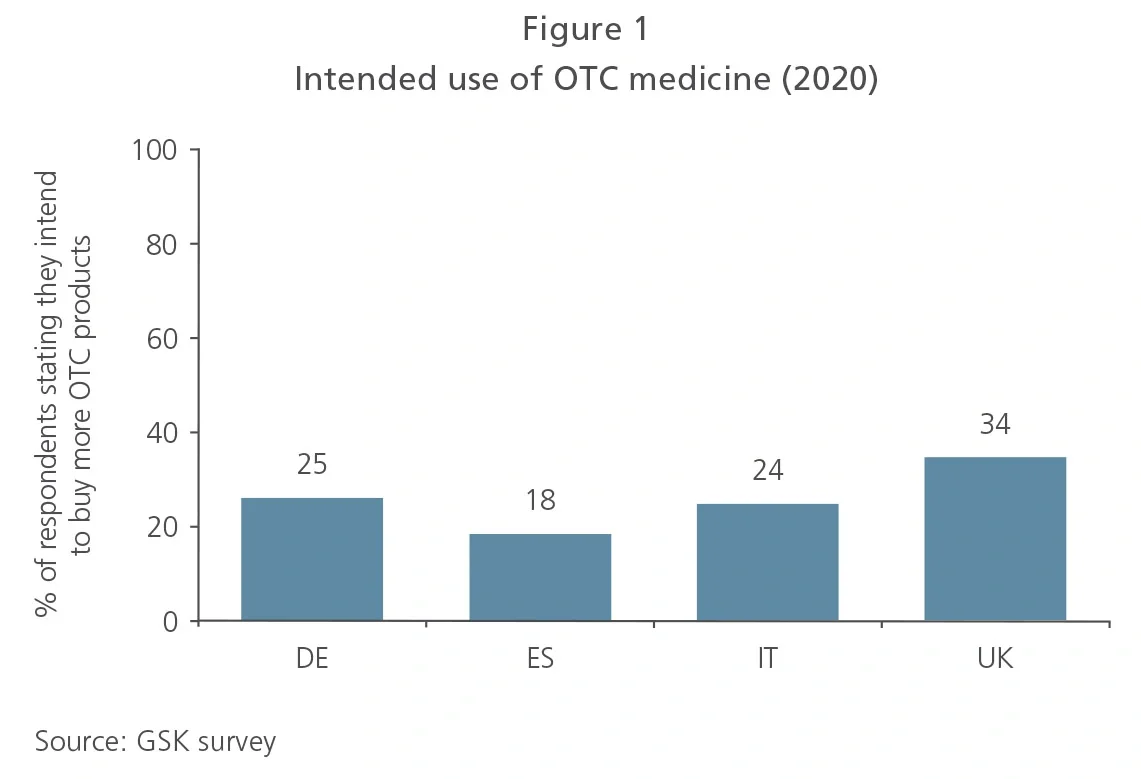
Secondly, we can expect to see continued growth in nutritional sub-segments such as vitamins and dietary supplements (VDS), especially those for the immune system. According to a 2020 Euromonitor survey, a significant proportion of respondents now claim to take VDS specifically to promote immune-system health (rather than for beauty, skin health or relaxation purposes). It is also likely that overall sales of over-the-counter products will continue to rise. Many Europeans intend to replenish their medicine cabinets with over-the-counter (OTC) medicines as a direct result of the pandemic.

Image
OTC medicine use
Image
OTC medicine use

Thirdly, multiple studies have identified being overweight or obese as a risk factor for increased morbidity or mortality from COVID-19. Consequently, interest in weight management and personal fitness from governments and consumers has increased markedly in recent months. In the UK, for example, a new ‘obesity strategy’ was unveiled in July 2020 to urge people to ‘lose weight and beat coronavirus’. Simultaneously, consumer interest in physical fitness and weight management has increased appreciably. Engagement with fitness equipment (e.g. weights, fitness mats) tripled in the UK during the pandemic; fitness apparel and running shoes sales increased by up to 40%. A further notable trend has been the rise in online fitness activity as gyms closed during lock-downs and the need to self-isolate intensified. One study found an almost twentyfold increase in YouTube home workout viewership.

Use of innovative weight management apps such as Noom, with its personalised offering including meal planning, calorie counting and 1-to-1 healthcare coaching sessions, has also increased. We anticipate that although behavioural change is sometimes hard to achieve, the impact of COVID-19 makes it likely that new consumer habits will last post-pandemic. Health and fitness companies will have to update their product proposition to meet customers’ fitness needs of anytime and anywhere.

Finally, superior self-care has also driven consumers’ increased acceptance of at-home diagnostics. The US Food and Drug Administration’s emergency use authorisation for Abbott’s BinaxNOW rapid COVID-19 test provided particular impetus in the US, as it is the size of a credit card and easy to use, requiring no instrumentation. According to one survey, up to 50% of respondents are now comfortable using at-home diagnostics, including genetic tests to identify future health risks, those for blood ‘wellness’ and infection diagnosis, and a kit for mailing stool samples to identify correct personalised nutritional choices. We expect this trend to boost use of other at-home tests such as direct-to-consumer DNA tests like 23andme.

Whilst the primary focus of the pandemic has been the physical illness caused by COVID-19, there is now greater attention on the mental health aspects of coronavirus, whether as a result of ‘long Covid’, prolonged social isolation and loneliness, or financial insecurity amid a worsening economic outlook. Deteriorating mental health has been evidenced in several recent studies. One noted that three quarters of respondents in the US are experiencing distress related to COVID-19, and over 50% feel anxious and/or depressed. In another, internet users were more concerned about COVID-19’s effect on their mental health (31%) than their access to a vaccine (29%). Finally, data from Google Trends shows significant increases in searches related to anxiety and panic attacks.

There has been an unprecedented level of interest in mental health from governments and other payers, non-profits, workplaces, and the private sector. Multiple organisations have launched awareness campaigns and initiatives. The WHO, Centers for Disease Control and Prevention (CDC) in the US and the National Health Service (NHS) in the UK, amongst others, have all published guidance to help tackle a feared epidemic of mental illness caused by the pandemic. Consumer goods brands have promoted mental health resources and normalising mental health conversations on social media platforms to reach their target consumers.

Mental well-being via over-the-counter products with a ‘stress relief’ or ‘calming’ claim is being targeted in the VDS market both by larger mainstream players and smaller, premium brands. Nature’s Bounty launched ‘Anxiety and Stress Relief’, containing L-theanine to ‘support the brain’s mood centre and promote a calm state of mind’, and ashwagandha, an ingredient which is claimed to support a healthy response to occasional stress and anxiety. Other examples include De-stress + Sleep by ZzzQuil, which uses melatonin and ashwagandha to ‘manage stress and calm the mind’, and emerging and more expensive premium brands Olly’s Goodbye Stress and Hum Nutrition’s Big Chill.

Management of mental health continues to face a scarcity of in-person psychological and psychiatric resources, but consumers and patients may now benefit from innovative healthcare delivery models. An impressive initiative is a pilot in the US between the National Council for Behavioral Health, the American Pharmacists Association and Walgreens to train the pharmacy’s staff in mental health first aid. The project aims to improve overall mental health outcomes and will extend the role of the pharmacist as healthcare professional into a new dimension.

New technologies and digital applications will also continue to help improve mental health. Smartphone apps such as Moodbeam, which tracks mental health outcomes, are now readily available, as are online peer-to-peer platforms allowing sufferers to connect and receive support. Chatbots such as Woebot and Ellie are virtual counsellors that can analyse voice, facial expressions and non-verbal communication cues to help reduce symptoms of mental illness. Other digital therapeutics for mental health involve evidence-based, software-led interventions to prevent and manage conditions. Unlike most wellness apps, digital therapeutics undergo an R&D path similar to that of drug development, with tools evaluated in clinical studies and prescribed by a physician. Whilst adoption has been slow due to a shortage of specialist doctors, we envisage that the pandemic may act as the catapult needed for these interventions to be made more widely available.

The coronavirus pandemic has forced a radical rethink for consumers (and healthcare professionals) about where and how care is best delivered. As hospitals and primary care facilities (whether general practitioner surgeries or office-based clinics) were considered infection hotspots and constantly threatened with being overwhelmed, many patients did not go to them. They either could not be treated for their ailment because COVID-19 sapped all resources available, or they sought help elsewhere that they felt was safer or at least more convenient, often through telemedicine or a pharmacy.

Telemedicine is defined by the WHO as ‘the delivery of health care services … using information and communication technologies for the exchange of valid information for diagnosis, treatment and prevention of disease and injuries, research and evaluation, and for the continuing education of health care providers, all in the interests of advancing the health of individuals and their communities’. The advantages of telemedicine for patients are clear: the evidence suggests it is convenient, cheap, saves time, reduces spread of disease, promotes easy follow-up and ultimately reaches more patients. It is not surprising that adoption rates increased dramatically, almost overnight (see Figure 2). In 2019 just 11% of US consumers used telemedicine, but this increased to 46% by 2020. Providers in the United States are seeing between 50 and 175 times the number of patients using telemedicine than before the pandemic took hold.

Image
telemedicine usage comparison chart
Image
telemedicine usage comparison chart

Telehealth convenience trends do not even necessarily have to involve human interaction. Artificial intelligence (AI) powered chatbots are on the rise for multiple reasons: they ensure 24/7 availability, reduce human errors, respond to commonly asked questions, and direct customers to relevant services, products and people.

Pharmacies provide another more convenient route to access healthcare products and services. Their position in the healthcare ecosystem is continuing to be elevated, in large part because they are the most widely distributed and therefore potentially accessible healthcare facility. In Europe there are 160,000 community pharmacies, and upwards of 46 million people visit one every day. Recent surveys have shown that almost half of individuals now plan on asking pharmacists for advice more often when dealing with minor day-to-day problems. Pharmacies could also increasingly perform and interpret point-of-care diagnostics and, depending on country-level regulations, play a significant role in the COVID-19 mass vaccination plans.

There has also been an acceleration in the move to online pharmacies such as Pharmacy2U, the largest online pharmacy in the UK, driven in particular by self-isolating consumers turning to e-commerce for ease of access. Other advantages of online include home delivery, broader product choice, potentially lower prices as a result of reduced overheads associated with physical premises, and the alleviation of pressure from pharmacy stores. We expect that the pandemic will accelerate use of online pharmacies as first-time users during the pandemic transition to become repeat customers.

COVID-19 has transformed some consumer healthcare needs and behaviours. To succeed in the ‘new normal’, B2C healthcare companies will have to rethink the ways they engage their consumers, and market their products and services directly and via healthcare practitioner channels. We think the following four actions are critical:

  1. Educate consumers – The pandemic has increased consumers’ desire to take control of their health. They continue to seek reliable information sources to make better and more informed decisions. Consumer healthcare companies could educate their customers more effectively, both in disease awareness and management, as well as about their own brands. They could improve their education sessions with pharmacists and enhance their social media and other digital channels for end consumers.
     
  2. Review product portfolio – Consumer healthcare companies should review portfolios for products and services that will serve the near- and medium-term zeitgeist. These include prevention-focused products such as immune-related VDS or categories that alleviate the anxiety and stress-related effects of the crisis that are likely to persist economically even when the pandemic is under control.
     
  3. Rethink channel strategy – Given its enormous impact on our daily lives, the pandemic has brought into sharp focus the way consumers access products and services. The rise of remote (digital) healthcare delivery and the increasing reliance on primary care settings outside of a typical doctor’s office (e.g. pharmacies) are two important examples. Given the normalisation of e-commerce that has accelerated through the pandemic, we are likely to see this trend translate into consumer healthcare generally, and possibly into OTC products, too, where levels of online purchasing are still less than 5% of total sales. Companies should build online capability to meet the greater demands of customers.
     
  4. Enhance marketing capabilities – Better digital marketing skills and multi-channel communications will be required to attract, engage and drive loyalty from both B2B and B2C audiences. The competitive advantage prize is substantial given the plethora of digital channels now available and the pre-existing challenges in capturing significant share of voice.

The winners will be those companies that take a fresh look at their strategy and innovate now, rather than waiting until the worst of the pandemic is over. In one survey, 40% of business executives highlighted changes in consumer behaviours as their greatest priority post-pandemic. We think that is a low proportion.

English

Sustainability: An Evolving Boardroom Priority for 2021

February 11, 2021

Sustainability was set to be one of the defining global issues of 2020, headlining events such as the World Economic Forum last January. As we all know, healthcare has firmly taken the top spot, but the momentum behind sustainability remains strong, with individuals, businesses and governments making it a strategic priority. John Goddard, Clare Chatfield and Rebecca Scottorn share their views on how attitudes towards sustainability are changing, the effect of the pandemic and how business leaders are integrating sustainability into their core business strategies.

Sustainability isn’t a new topic. What’s different this time?

Sustainability has rapidly risen up the corporate agenda and is now an area of critical importance for executives, investors and boards. It’s not a new topic, but increasingly it is being considered a commercial priority and a potential source of strategic advantage. Some companies recognise the opportunity to move beyond a compliance-based approach, making sustainability a core part of their strategy. This can bring financial outperformance, e.g. through new products and services, reputational advantages, and cost efficiencies. 

Sustainability issues are complex and multifaceted, requiring stakeholders to work together, so we see a lot more cross-sector collaboration. There is an understanding that companies cannot resolve these issues on their own. 

What impact is the economic downturn having?

This economic downturn has not had the braking effect that the global financial crisis had on low-carbon solutions. There seems to be a realisation that companies can no longer afford to delay tackling these issues. There are, of course, challenges around the level of capital available to invest, and many companies are struggling to survive. The reality is that companies performing strongly against ESG criteria are also likely to be financially healthier. As companies look to rebuild, we envisage sustainability becoming increasingly important.

How are companies defining sustainability today? How are priorities changing? 

The definition of sustainability has broadened beyond climate change and energy transition. Those factors are still critical and, for a lot of sectors, are the most material issues, but there are other elements now that are important across sectors, including workforce practices and customer engagement. The social aspects of sustainability are increasing in prominence. However, companies shouldn’t feel that they need to address everything concurrently. A pragmatic approach is required that prioritises the elements most material to a business, and the ones where there can be clear improvement and value creation benefits. 

How are companies responding to sustainability pressures?

Addressing sustainability pressures can require fundamental changes to existing business models. Stakeholders are making demands from all sides; business models need to be fit for purpose and long-term success. ESG ratings have become an important metric, and there are increasing reporting requirements. It can be challenging to trade off short-term priorities and financial goals with longer-term, strategic sustainability issues.

How is L.E.K. Consulting working with its clients to facilitate more sustainable strategies?

At L.E.K., we see sustainability as being at the heart of strategy. We work with clients to consider the commercial and sustainability issues together, not independently of each other. 

There are both internal and external considerations. Internally, getting buy-in from the leadership team is critical, as is a robust diagnosis of what the company is doing today. Externally, it’s important to understand how stakeholder pressures are evolving, what competitors and ‘best in class’ peers are doing (and plan to do) and the market context for each client. 

Then it’s about collaboratively working to define the elements of the strategy and building a coherent narrative, before working out the flow of implications from the strategy for business model choices and potential changes. 

What are the top three to five questions boards should be asking of their five-year strategic plan?

  1. Where do you really stand today when it comes to sustainability?
  2. What is your level of ambition?
  3. How are your stakeholders evolving in their demands?
  4. Which elements of the strategic plan should be on the table, and which ones should be prioritised?
  5. How can we build a coherent narrative and engage stakeholders?

Conclusions

These issues are not going away, and in time every company will have to adapt and change; it will not be optional. There is currently an opportunity to think about sustainability proactively and to identify value creation levers for your business. It can be daunting and may seem complex, but if sustainability is treated like any other major strategic decision, with a robust approach and framework, then real progress can be achieved.
 

English

Is the Value in Renewables Starting To Shift Downstream?

February 10, 2021

Rapid and unabating growth for new solar installations suggests an attractive profit pool for players up the value chain, including manufacturers; engineering, procurement and construction (EPC) companies; and installers. And in the near term it is difficult to argue against the trend, especially with a Biden administration climate agenda. While 2020 saw the broader industrials production index fall (7%), global energy demand decline (5%) and oil prices drop (31%), solar capacity across all segments in contrast grew 23% over the same period and even outpaced its 20% growth rates in 2019 and 2018. However, a myopic view of the outlook may miss the longer-term profit pool trend ― that value is shifting downstream to asset management and performance optimization through software and software-enabled field services.

Rational exuberance

Total solar capacity grew 23% in 2020, the utility scale segment’s capacity grew 28%, and annual utility scale gigawatts of new solar added reached a high-water mark exceeding 12 GW last year. As a result, companies across the value chain benefited, especially those leveraged to new installations. The public solar universe confirms this assertion with notable public companies such as Array ― a tracker manufacturer and newly public company as of October 2020 that offers a sign of market optimism in its own right ― citing ~60% year-over-year growth through the first three quarters of 2020. Beyond the public company set, private companies and investor clients of L.E.K. Consulting voice similar financial health coming out of 2020 and continued optimism for both the 2021 installation outlook and the view over the next five years.

The optimism is buoyed by the blue wave that eventually carried through all branches of government. Following the top ticket results, momentum picked up and a solar investment tax credit (ITC) extension ― set to step down from 26% to 22% in 2021 and then down to 10% in 2022 ― appeared inevitable. Although this policy mechanism that occurred through budget approval in late December is a bit surprising, it is a welcome one and is expected to support market growth. Given the safe harbor policies in place that help lock in ITC benefits for the years that follow the expiration, the ITC extension is expected to benefit 2024 and 2025 installations substantially more than immediate-term growth for 2021 or 2022, which may already have ITC-secured orders.

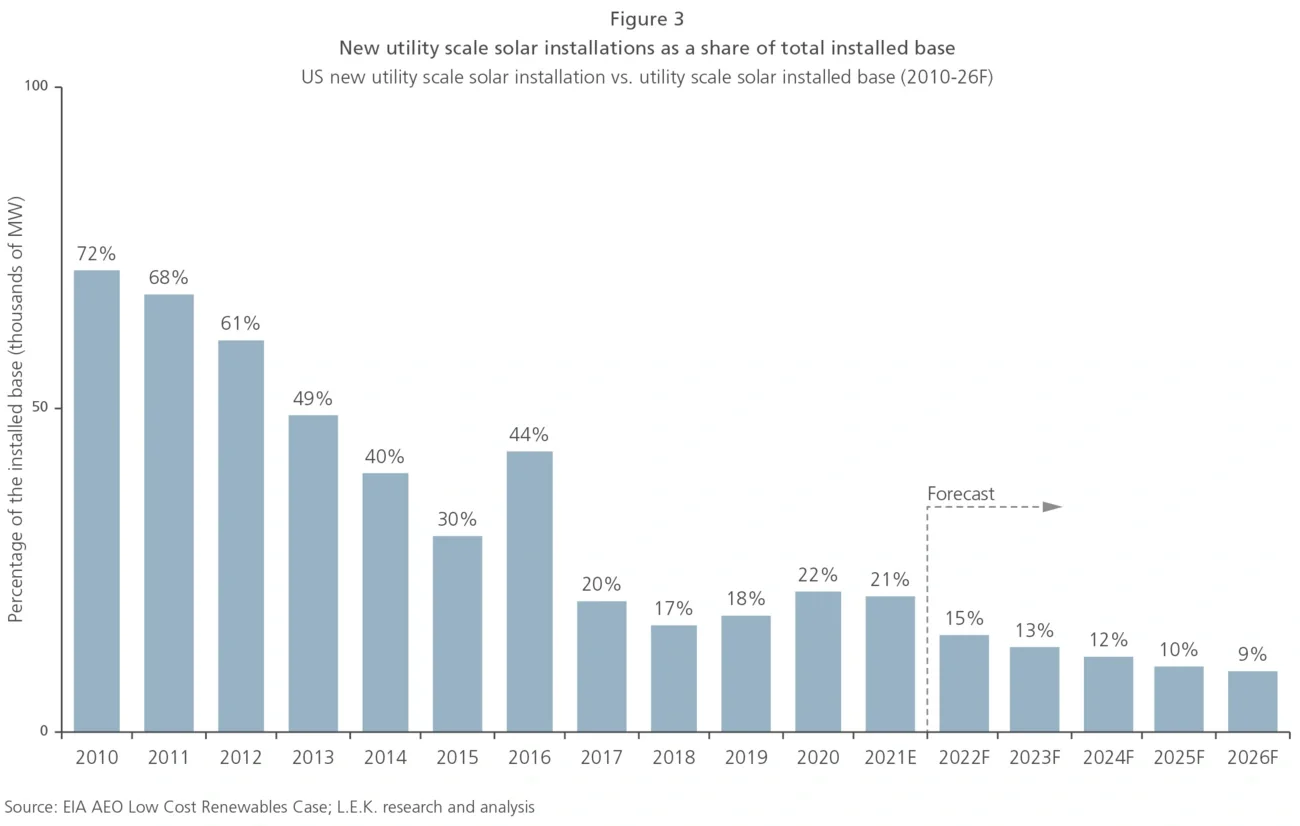
With full congressional support and a Biden clean energy agenda already taking shape, there is no lack of optimism at the moment. The result is likely to be a boon for development and the associated value chain that supports it. However, the solar asset installed base ― for utility scale in particular ― is maturing, and new installations will increasingly account for just a fraction of total installed capacity, suggesting some of the value is shifting downstream.

An overlooked presentation of the growth story

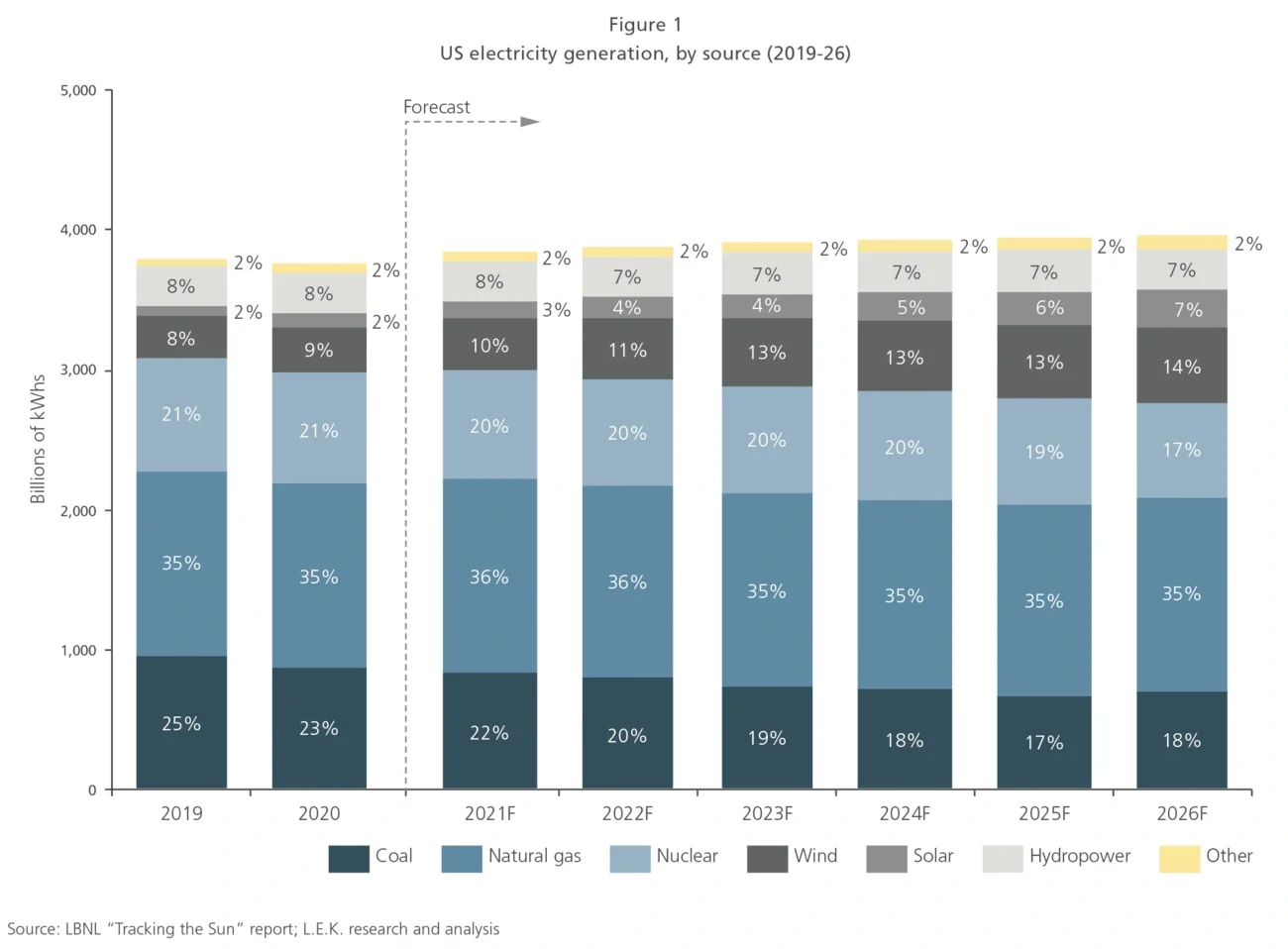
Myopia in this case is easy to understand within the context that the most-cited market research typically focuses on one or two charts. The first is generation (see Figure 1), which is used to highlight and articulate the narrative that solar, and renewables more broadly, continue to take share from coal, and to a lesser extent nuclear. This is a common way to frame the energy transition’s progress in the power sector.

Image
electricity generation
Image
electricity generation

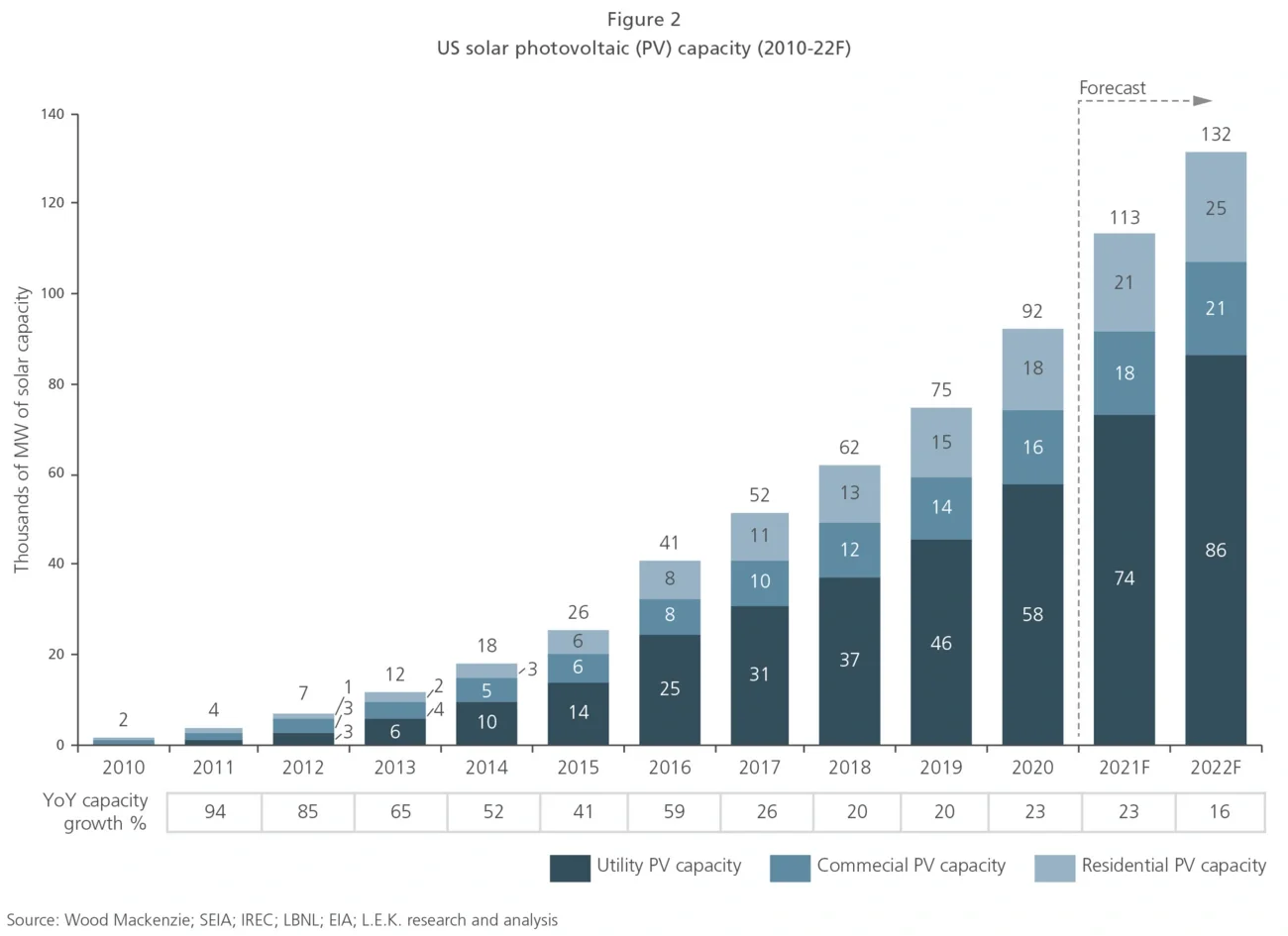
The second chart (see Figure 2) typically highlights new installed capacity either on an annual or cumulative basis. This is also understandable as new installations remain the fundamental driver for spend across the solar value chain from panels, inverters, trackers and balance of plant equipment to EPC, installation, and other subcontracted mechanical and electrical services. 

Image
US solar photovoltaic capacity
Image
US solar photovoltaic capacity
Image
utility scale solar installations
Image
utility scale solar installations

Implications for the value chain

Over the next five years, steady robust growth in utility-scale solar installations will undoubtedly drive spending for equipment and services leveraged to new installations. We expect inverters, energy storage systems, tracker systems and electrical balance of system suppliers to benefit most on the equipment side, and leading EPCs and installers to benefit on the service side. We are only just starting to see that the power of storage-paired solar and grid flexibility benefits ― load balancing, dispatchable capacity and other ancillary services ― may drive even further upside for the sector beyond what is referenced in this note.

However, growth at this pace is finite, and as the utility-scale market matures, the focus on optimizing asset performance and maximizing the return on assets will become paramount. More specifically, we expect operations and management services and asset management software segments, though relatively smaller in market size today, to increasingly capture more of the market’s profit pool.

Given this context, as a manufacturer or service provider leveraged to new installations or an investor looking at opportunities to play across the solar value chain, there are a number of strategic considerations for how to play the downstream value shift:

  • Position to capture near-term installation growth, which has upside from solar plus storage, but remain aware of the slowing growth profile toward the middle of the decade
     
  • EPCs and installers may seek to build or buy operations and maintenance (O&M) service capabilities
     
  • Although high single-digit and low double-digit margins may not appear attractive, there are value creation opportunities in field services today from remote management solutions and more efficient dispatching
     
  • Asset management software adoption is underway, and there are opportunities to play on the technical and performance side as well as through nontechnical solutions addressing contracts, work orders and centralized financial management
     
  • Other utility market software competitive structures suggest this market will not remain as fragmented as it is and the potential winners are already emerging

The solar market continues its growth phase, but investments to capture growth today must also consider the longer-term maturation of the market and ensure corporate and investment portfolios will be positioned to capture value as the market migrates across the value chain.

English
Image
L.E.K. Lincoln Report

2020 Building Products Perspectives and Trends

February 2, 2021

Due to COVID-19, L.E.K. Consulting and Lincoln International canceled the annual Building & Infrastructure Conference in 2020. We hope to host it again in the fall of 2021 in New York City. With the International Builders Show also transitioning to a virtual event in 2021, we thought it was more important than ever to share our perspectives on what we have seen in 2020 in this co-authored report.

With people spending more time at home due to the pandemic, the trend toward “nesting” drove the growth and resilience of residential building products in 2020. For example, residential repair and remodel (R&R) continued to outperform, while housing turnover slowed, and new residential construction accelerated as demand increased for larger single-family homes outside city centers. Conversely, the nonresidential construction market struggled due to the drop in demand for commercial real estate, especially office space. Ecommerce, particularly online purchases of easily shipped R&R projects, continued to grow. Consumers also invested in outdoor living projects, creating more habitable spaces in and around the home and expanding overall square footage.

In this report, L.E.K. and Lincoln examine these and other industry trends — including modular construction, consolidation in distribution and increasing input cost/supply disruptions — in detail. We also explore M&A implications, challenges and growth opportunities.

English
Subscribe to